Postpartum Shedding Timeline: What Stylists Should Say at Weeks 8 to 16
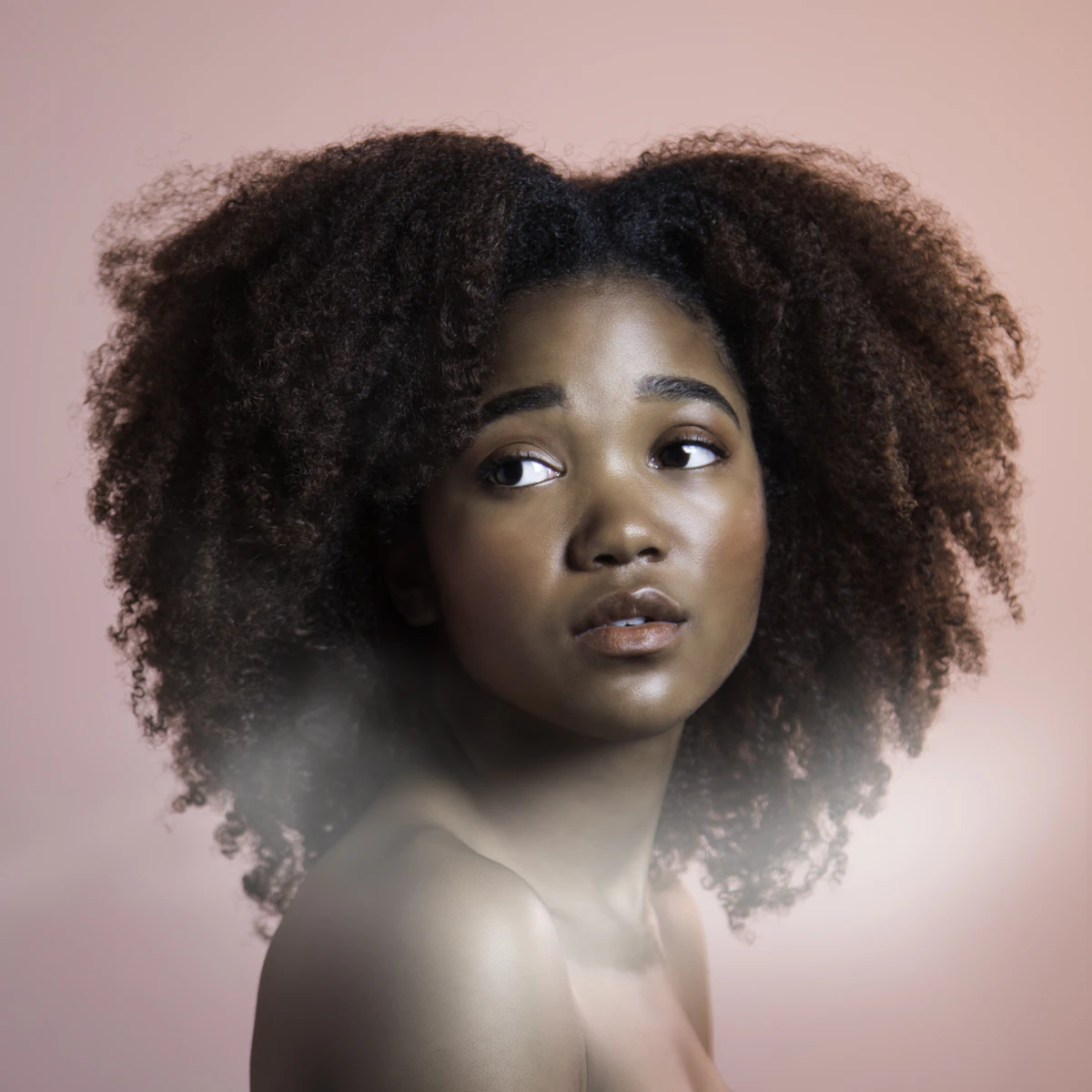
A new mum sits in your chair around week 10 after birth and says, "Look at my brush. Am I going bald?" You are not being asked for a shampoo recommendation. You are being asked for a timeline, a calm sentence, and a clear next step. This guide is for UK stylists and salon owners who want honest postpartum shedding language they can use between weeks 8 and 16, without overclaiming or alarming the client.
Postpartum hair loss sits inside telogen effluvium (TE) on Trichology Academy's public education. It is listed among the internal triggers that can push follicles into a resting-and-shed pattern. The Academy's £29 Postpartum Hair Loss module covers why it happens, when shedding typically starts and stops, common patterns, recovery factors, and when further investigation is needed. Your job at the chair is not to diagnose. It is to recognise a typical postpartum TE conversation, speak accurately, keep services gentle, and know when to refer.
Why weeks 8 to 16 matter in the salon
New mothers rarely book a trichology consult the day after delivery. They return to the salon when colour needs refreshing, a fringe has grown out, or the hairbrush suddenly looks shocking. In salon practice that often lands between roughly two and four months after birth (about weeks 8 to 16). That window matches how clients commonly notice TE after a systemic event: the shed often appears weeks later, not on the day of the trigger.
The Academy's public stress-related hair loss guide explains the delayed TE mechanism clients find hardest to accept: shedding often starts two to three months after a physical or emotional stressor, not during it. Childbirth is listed there among physical stressors. Pair that with the TE condition page, which names post-partum hair loss as a cause, and you have a calm framing for the chair: the birth was the trigger event; the brush full of hair weeks later is often the delayed response.
Do not invent a single universal day when every client sheds. Academy public pages do not publish one fixed postpartum clock for every person. Use weeks 8 to 16 as a practical salon window when this conversation is most common, then ask when the baby was born relative to when the shed started.
What postpartum shedding is (and is not)
According to Trichology Academy's public telogen effluvium page, TE is a sudden loss of hair due to various internal factors, resulting in excessive hair shedding. It is a clinical sign that signals an underlying condition rather than a disease in itself. Public signs include sudden excessive hair shedding, a noticeable increase in hair fall during washing or brushing, and a generally asymptomatic scalp. In rare cases TE may also involve hair loss on the pubic region or eyebrows.
Post-partum hair loss is listed among TE causes and risk factors alongside febrile illness, blood loss, post-operative responses, endocrine disorders, drugs and medication, and metabolic and nutritional disorders. Treatment is directed at the underlying cause. Once that cause is addressed, prognosis is normally good and hair growth resumes. Shedding is typically temporary.
The public Postpartum Hair Loss module page is explicit about limits: it is not a guarantee of immediate regrowth, and it is not a substitute for medical advice if hair loss is prolonged or worsening. Carry those limits into your chair language. You can reassure that postpartum TE is common and often temporary. You cannot promise density dates, millimetre regrowth targets, or that a new product will reverse the shed.
Read the condition page at https://trichologyacademy.co.uk/education/conditions/telogen-effluvium and the module overview at https://trichologyacademy.co.uk/education/videos/postpartum-hair-loss.
Chair timeline: what to say by stage
Use this as a conversation map, not a medical clock. Dates are relative to birth. Always ask the client's actual dates rather than assuming.
Birth to about week 6: often quiet on the brush
Many clients still have the thicker pregnancy density look, or they are simply not watching the brush yet. Hormonal and systemic change after birth is underway, but the salon may not see a dramatic TE picture yet. Keep notes if they mention exhaustion, blood loss, thyroid history, or medication changes, because those sit in the same TE trigger family on Academy public pages.
About weeks 8 to 12: the "why now?" visit
This is often when clients panic. The baby is a few months old. The stressful delivery event feels "over." Suddenly the drain and brush fill. Borrow the calm explanation from the Academy's public stress-TE framing: the lag between trigger and shed is expected in TE, and childbirth is a recognised physical stressor. You can say the pattern often lines up with postpartum telogen effluvium, which is a sign rather than a disease on its own, and that prognosis is often good once the underlying drivers settle, but finding those drivers is clinical work.
About weeks 12 to 16: density feels different in photos
Clients may still shed heavily while also noticing a thinner ponytail or a parting that photographs poorly. Distinguish diffuse TE shed (hair in the brush, scalp generally comfortable) from progressive pattern change (widening mid-frontal parting, miniaturised hairs along the part). The Knowledge Hub differential on telogen effluvium versus androgenetic alopecia is useful here: https://trichologyacademy.co.uk/blog/telogen-effluvium-vs-androgenetic-alopecia. Postpartum TE can sit on top of early female pattern hair loss. Do not collapse both into "just hormones."
After the acute shed: recovery language without false dates
Academy public TE outlook: once the underlying cause is treated, prognosis is normally good and hair growth resumes; shedding is typically temporary. The public postpartum module covers recovery timelines and factors that affect recovery in more depth for paying learners. At the chair, avoid promising a fixed "back to normal by month X" date. The public stress-TE guide notes that regrowth often begins within months once the trigger is resolved and that full recovery can take longer. Be honest that new hairs may look finer or shorter at first, and that prolonged or worsening loss needs clinical review rather than another retail product.
Comparison at a glance
Use this memory aid when a postpartum client's story is muddy. It is not a diagnosis checklist.
- Trigger timing: Postpartum TE - shed often noticed weeks after birth (salon peak commonly weeks 8 to 16) / Ongoing pattern thinning - gradual over months to years, not tied to one delivery date
- Primary complaint: Postpartum TE - "My brush is full overnight" / Pattern lean - "My parting keeps widening even between babies"
- Distribution: Postpartum TE - diffuse shed, scalp generally asymptomatic / FPHL lean - mid-frontal thinning, reduced ponytail volume, Christmas-tree pattern
- Scalp feel: Postpartum TE - usually comfortable / Red-flag lean - pain, burning, pustules, heavy scale, or scarring features
- Disease framing (Academy public TE): clinical sign of an underlying condition, not a disease itself / Pattern alopecia - chronic genetically driven miniaturisation with no cure on public Academy pages
- Outlook (Academy public TE): typically temporary once cause addressed; prognosis normally good / Pattern - tends to progress over years without medical management
- Module depth: £29 Postpartum Hair Loss covers starts/stops, patterns, recovery factors, referral criteria / £99 Salon Trichology Essentials covers chair recognition, conversations, and boundaries
- Stylist role: timeline questions, gentle services, calm language, timely referral / Not diagnosing, not promising regrowth percentages, not starting medical treatments
Chair-check questions for the new-mum appointment
Keep questions short. Write the birth date and shed-start date on the card.
- When was your baby born, and when did you first notice the extra shed?
- Is the scalp comfortable, or is there pain, burning, or heavy flaking?
- Are you seeing more hair in the brush and drain than a change in parting shape?
- Was there significant blood loss, fever, surgery, or a new medication around birth or after?
- Are you eating and sleeping enough to function, and has anyone checked iron or thyroid if fatigue or other symptoms are present? (You are flagging clinical follow-up, not ordering labs.)
- Have you noticed patchy bald spots, broken hairs in odd places, or eyebrow or body-hair change alongside the scalp shed?
- Did you have progressive parting or density change before pregnancy, or is this new after birth?
What stylists can safely say (scripts)
Adapt the words. Do not diagnose. Do not use miracle language.
When the story fits typical postpartum TE
"You are describing a sudden increase in shed a couple of months after birth, and your scalp feels comfortable. That often lines up with postpartum telogen effluvium. On Academy teaching, TE is a sign that something internal has pushed more follicles into a resting phase. It is not usually a disease on its own, and shedding is typically temporary once the drivers settle. I am not the person who diagnoses this. I can keep your colour and cut gentle, and I can help you book a trichology or GP review if the shed is severe, patchy, or still worsening."
When weeks 8 to 16 feel terrifying to the client
"The timing is what catches people out. The birth was weeks ago, so the shed feels random. In telogen effluvium, clients often notice the fall weeks after the trigger, not on the day it happened. That lag is why this visit around two to four months is so common. It does not mean you are going permanently bald from one brushful. It does mean we stay factual, gentle with chemicals, and ready to refer if anything looks outside a simple diffuse shed."
When pattern change may also be present
"I am seeing a lot of shed in the brush, and I am also noticing a parting or density pattern that may have been building for longer. Those can sit together. Postpartum TE does not cancel female pattern hair loss, and pattern change does not cancel a temporary shed. A trichologist can separate what is likely temporary from what is progressive. Meanwhile we document the parting under the same light and keep services sensible."
What not to say
- Do not promise "it all grows back by six months" as a personal guarantee.
- Do not sell a "postpartum miracle oil" as treatment for TE.
- Do not tell her she imagined it, or that everyone sheds so it does not matter.
- Do not blame breastfeeding, one shampoo, or "just stress" without a proper history.
- Do not diagnose scarring alopecia, alopecia areata, or thyroid disease at the basin.
Salon service choices while she sheds
Your hands and products cannot treat the internal trigger. They can stop adding avoidable fibre damage.
- Reduce overlapping bleach or high-lift services when density feels fragile; stage colour plans.
- Prefer gentle detangling, lower heat, and fewer tight styles that add traction on a shedding scalp.
- Offer camouflage cuts and parting strategies that respect density without promising medical recovery.
- Photograph the parting with consent under consistent light if you will review in a later visit.
- Write the referral path on the card: GP, trichologist, or Lorraine's clinic door when appropriate (Knutsford details are public on trichologyacademy.co.uk).
Red flags and referral language
The public postpartum module states that clear referral criteria are included so you know when postpartum shedding may need medical investigation. At the chair, stop guessing and hand over when you see the cues below.
- Shedding that is prolonged or still worsening (module public page: not a substitute for medical advice if prolonged or worsening).
- Patchy loss, smooth bald patches, or broken hairs in a non-pattern distribution.
- Scalp pain, burning, pustules, heavy scale, or scarring features.
- Eyebrow, eyelash, or body-hair change alongside scalp shed (Academy notes rare TE involvement of pubic region or eyebrows; still refer).
- Significant blood loss, suspected nutritional deficiency, or endocrine concerns the client reports; those sit in the TE cause list and need clinical care.
- Heavy psychological distress, avoidance of leaving the house, or requests for extreme chemical "fixes."
Sample referral line: "What I am seeing looks like a sudden postpartum shed pattern / something outside a simple diffuse shed. I do not diagnose this. A trichologist or your GP can review triggers, pattern, and whether bloods or further investigation are appropriate. I will keep your salon plan gentle while you get that checked."
Training next steps
If you want structured training rather than a one-off blog read, use the public Academy paths below. Prices match the catalogue at the time of writing.
- £29 Postpartum Hair Loss video module (about 25 minutes): https://trichologyacademy.co.uk/education/videos/postpartum-hair-loss
- Telogen effluvium condition page: https://trichologyacademy.co.uk/education/conditions/telogen-effluvium
- Telogen effluvium quiz: https://trichologyacademy.co.uk/quiz/telogen-effluvium
- £29 Stress and Hair Loss video module: https://trichologyacademy.co.uk/education/videos/stress-hair-loss
- £99 Salon Trichology Essentials programme: https://trichologyacademy.co.uk/education/salon-trichology-essentials
- Related Knowledge Hub: TE vs AGA chair differential: https://trichologyacademy.co.uk/blog/telogen-effluvium-vs-androgenetic-alopecia
- Related Knowledge Hub: Stress-related hair loss guide: https://trichologyacademy.co.uk/blog/stress-related-hair-loss-guide
- Related Knowledge Hub: Menopause and hair loss: https://trichologyacademy.co.uk/blog/menopause-and-hair-loss
- Academy home: https://trichologyacademy.co.uk/
Salon Trichology Essentials is the chair-skills programme for stylists who want recognition, conversation frameworks, and referral boundaries across common scalp and hair-loss presentations. The £29 postpartum module deepens the specific new-mum timeline and recovery conversation this article introduces.
FAQ
Can a stylist diagnose postpartum hair loss?
No. You recognise a common TE-pattern story after birth, adapt services, and refer. Diagnosis belongs with a qualified trichologist or medical professional.
Why do clients panic around weeks 8 to 16?
Because the shed often appears weeks after birth, when the delivery already feels "over." That delayed TE timing is why the salon conversation clusters in this window. Academy public pages list post-partum as a TE cause and explain delayed shed after stressors in the stress-related guide; they do not require you to invent a personal medical timetable for every client.
Is postpartum shedding the same as female pattern hair loss?
Not necessarily. Postpartum shedding is framed through telogen effluvium on Academy public education. Female pattern hair loss is progressive mid-frontal miniaturisation. They can coexist. Use the TE versus AGA Knowledge Hub article when the parting story and the brush story disagree.
Will the hair grow back?
Academy public TE outlook: once the underlying cause is treated, prognosis is normally good and hair growth resumes; shedding is typically temporary. The postpartum module public page refuses a guarantee of immediate regrowth. Speak in that range: often temporary, not instant, clinical review if prolonged or worsening.
What if she is still shedding badly many months later?
Treat prolonged or worsening loss as a referral, not a product upsell. The module page says it is not a substitute for medical advice in that situation. Point her to a trichologist or GP.
Should I recommend minoxidil or supplements from the chair?
Do not prescribe. Academy public pages discuss medical options in pattern-hair-loss contexts and TE treatment as addressing the underlying cause. Suitability, dosing, and safety in the postpartum and breastfeeding period are clinical decisions. You can say medical review is available and keep retail claims humble.
Where should my team train on this?
Start with Salon Trichology Essentials for shared chair language, then the £29 Postpartum Hair Loss module for the dedicated timeline, patterns, recovery factors, and referral criteria.
Close
When a new mum asks if she is going bald at week 10, she needs a timeline and a boundary, not a miracle claim. Postpartum shedding usually sits in the telogen effluvium family. The salon peak is often weeks 8 to 16 because TE shed commonly lags the birth trigger. Speak calmly, keep services gentle, separate diffuse shed from progressive pattern change, and refer when loss is patchy, painful, prolonged, or worsening. Train the whole team so every stylist uses the same sentences.
Chair rule for postpartum visits: map shed start to the birth date, expect the common salon conversation around weeks 8 to 16, treat TE as a sign not a shampoo problem, and refer early when the picture is patchy, symptomatic, prolonged, or worsening. Deepen with https://trichologyacademy.co.uk/education/videos/postpartum-hair-loss or https://trichologyacademy.co.uk/education/salon-trichology-essentials.
Concerned about hair loss?
Book a personal consultation with Lorraine for a thorough scalp assessment, honest answers, and a clear plan tailored to your hair.
Not sure where to start?
Interested in training?
Explore video courses, structured training programs, or discuss bespoke workshops for your team.
Explore training optionsNeed a personal consultation?
In-person hair and scalp visits are in Knutsford. Booking is by enquiry or phone, with a reply within 24–48 hours.
Knutsford clinic